Flagship · Since 1997
The Virtual Harlem Project
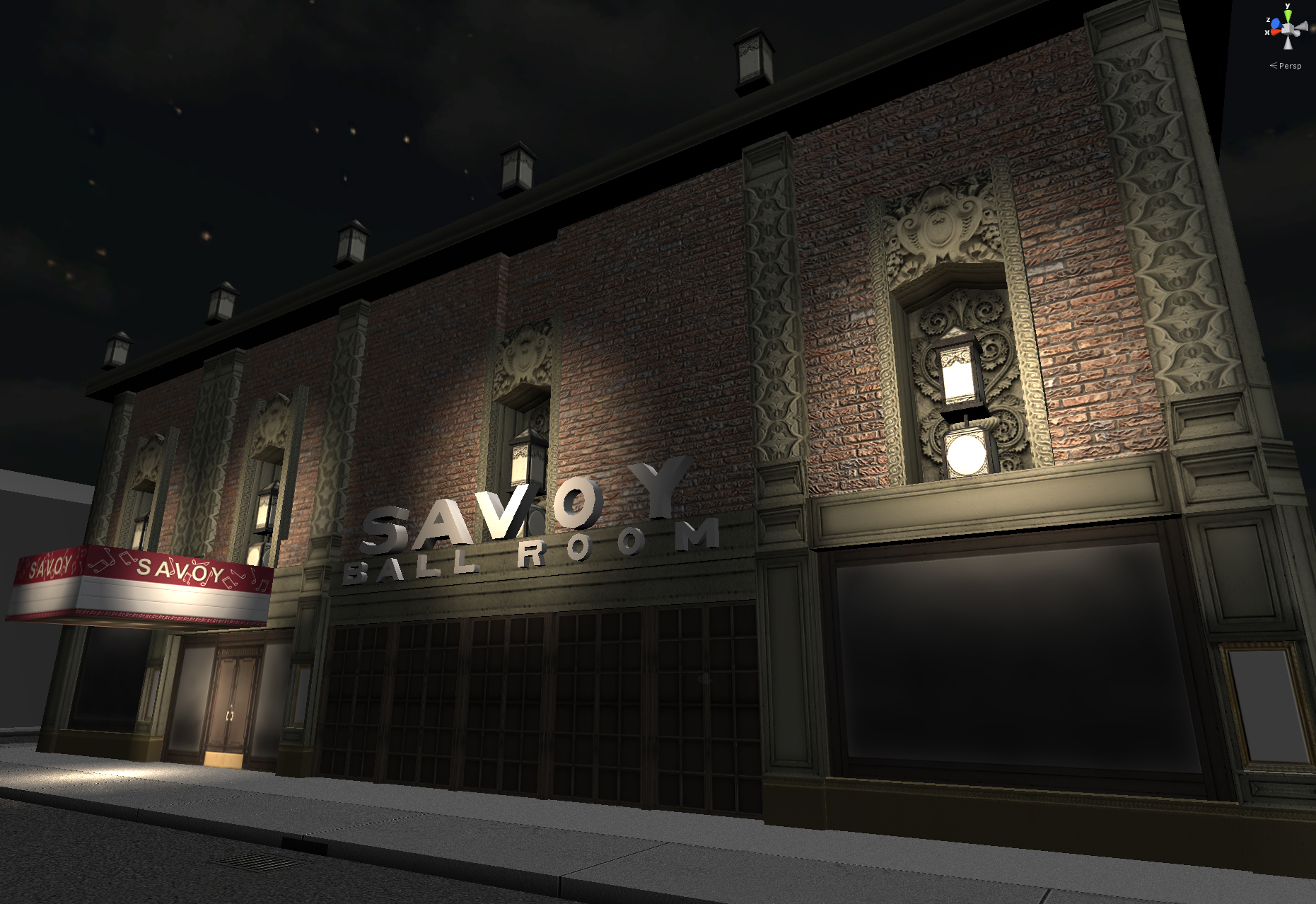
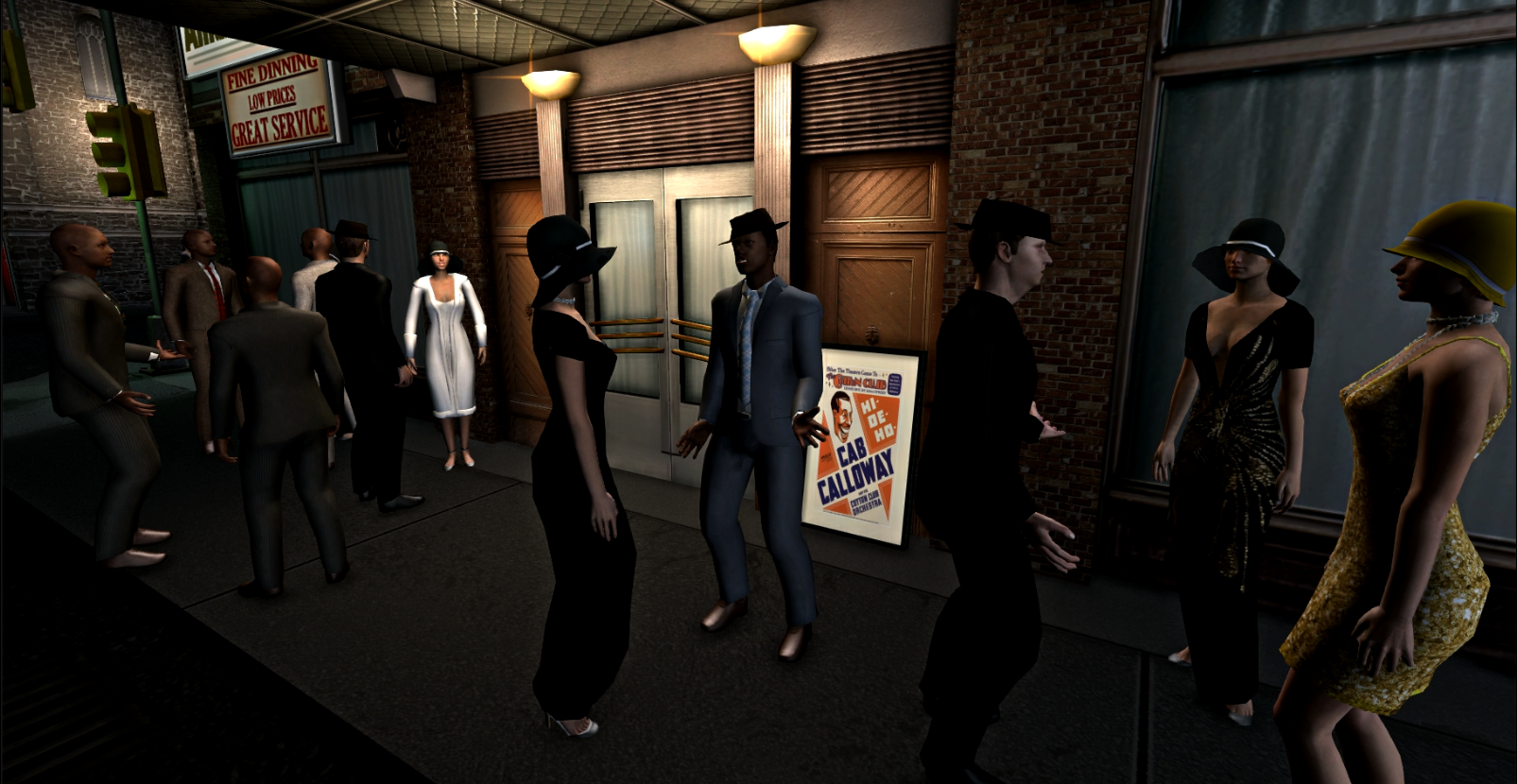
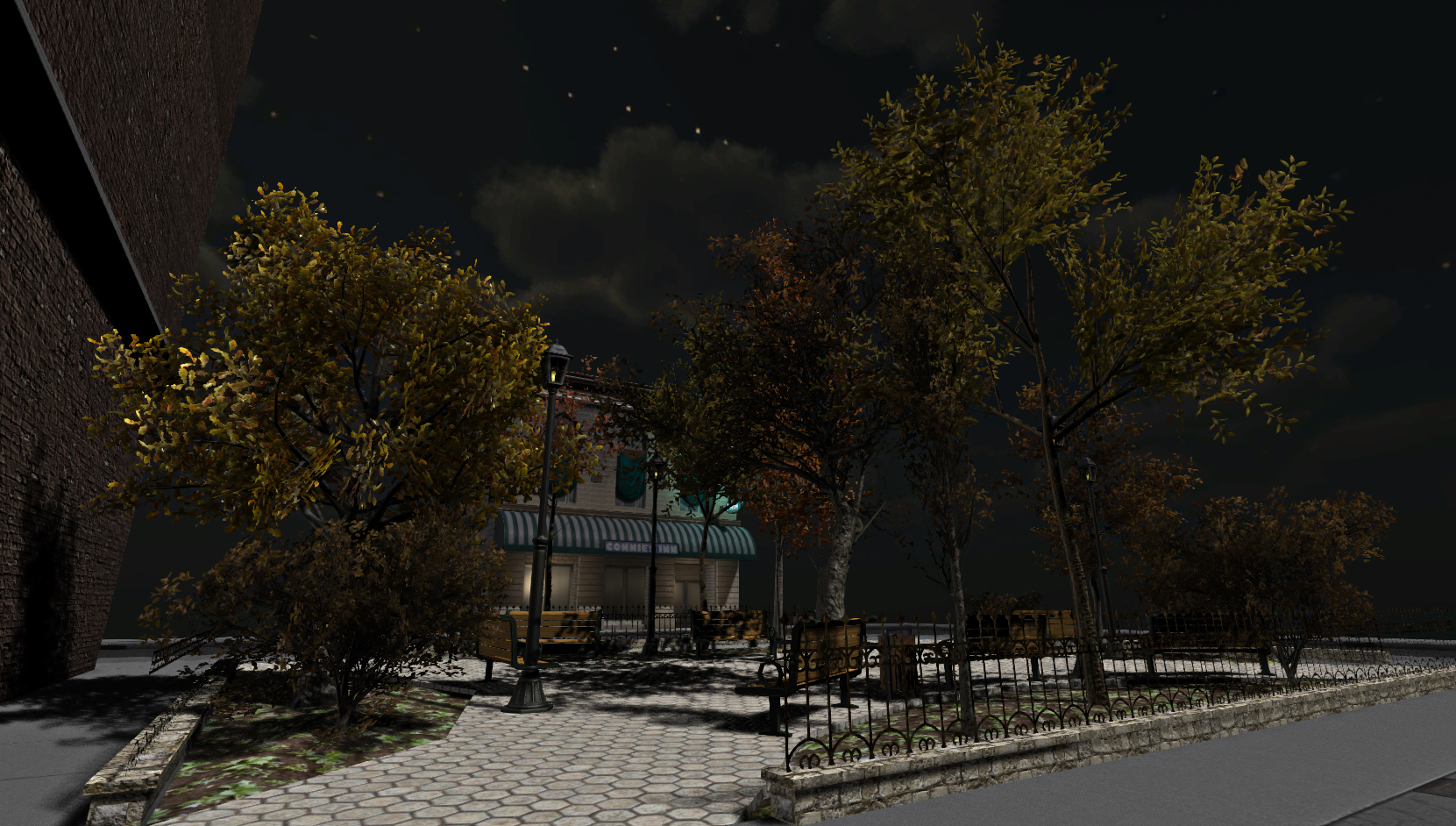
A collaborative learning network for studying the Harlem Renaissance through a virtual reality recreation of Harlem, New York as it existed in the 1920s–30s. Students walk the streets, enter jazz clubs, and experience the cultural energy of the New Negro Renaissance first-hand.
In 1999 the University of Illinois at Chicago translated the experience to the fully immersive CAVE. Over nearly three decades the project has evolved from VRML to Second Life to Unity, expanding to include Virtual Montmartre — the African American expatriate experience in 1920s Paris.
Enter the living archive through three playable Virtual Harlem experiences.
01
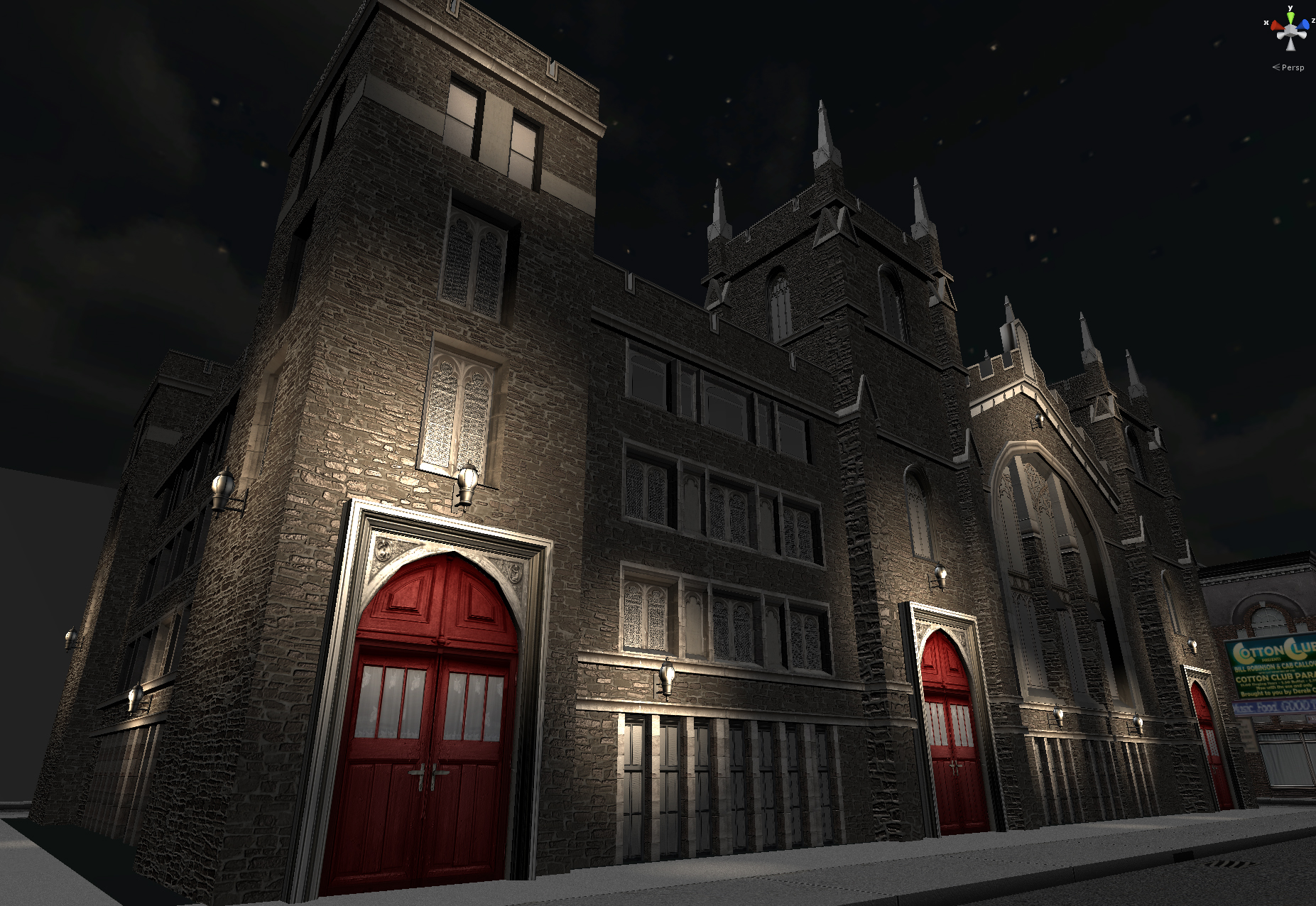
Abyssinian Church
Step inside a landmark of Harlem’s spiritual and civic life.
Launch experience
02
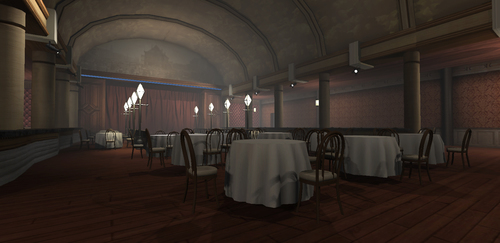
The Cotton Club
Enter an iconic jazz-era venue and encounter its cultural world.
Launch experience
03
Experience Collection
Browse the expanding Virtual Harlem collection and choose your next visit.
View collection
The full research story

The CAVE — UIC, 1999
Center for Digital Humanities
Current & ongoing initiatives
Researchers and 24 student developers advancing globally inclusive humanities knowledge-making — volumetric video capture, 3D scanning, AR/VR, 360° videography, robotics, and holographic broadcasting.
01
Volumetric Capture & Holographic Broadcasting
One of the few volumetric capture stages in the American Southwest. Projects include NEH-funded oral narratives of BIPOC expatriates in Berlin, Holocaust survivor testimonies, the Curaçao Jewish Museum, and a Spencer Foundation study on live holographic instruction.
02
Digital Scanning & 3D Preservation
Photogrammetry, structured light, and LiDAR pipelines. Includes the HCAC–HBCU Scanning Initiative, a $175,000 Knight Foundation Fellowship with The Colored Girls Museum, and a National Park Service project documenting historic enslaved quarters at Whitehill Plantation.
03
Digital Storytelling & Immersive Narratives
360° video, AR, VR, and volumetric capture combined into immersive narratives — Montreal digital storytelling, the Mount Graham/Kitt Peak 360 Tour, a Pima County Visitor Center experience, and buffel grass awareness in the Arizona desert.
04
Augmented Reality Experiences
Discovering Community in the Borderlands (IMLS/Mellon) — a walking AR tour across ten Tucson sites. Augmenting the Civil Rights Trail with Tuskegee University along the 230-mile Selma-to-Atlanta trail. The Anti-Racism Extended Reality Studio.
05
Connect Arizona Now (CAN)
A $3 million digital inclusion initiative funded by the U.S. Department of Commerce. As Primary PI, Dr. Carter leads broadband access and digital literacy programming for five underserved communities in Southern Arizona.
06
Caribbean Digital Humanities Center
With the Mongui Maduro Library in Curaçao — establishing the Caribbean's first Digital Humanities Center: workshops, student exchange with the University of Arizona, and emerging-technology capacity building for Caribbean scholars.
Interested in collaborating?
Contact Me
© Dr. Bryan Carter · University of Arizona